Books

Previous Work

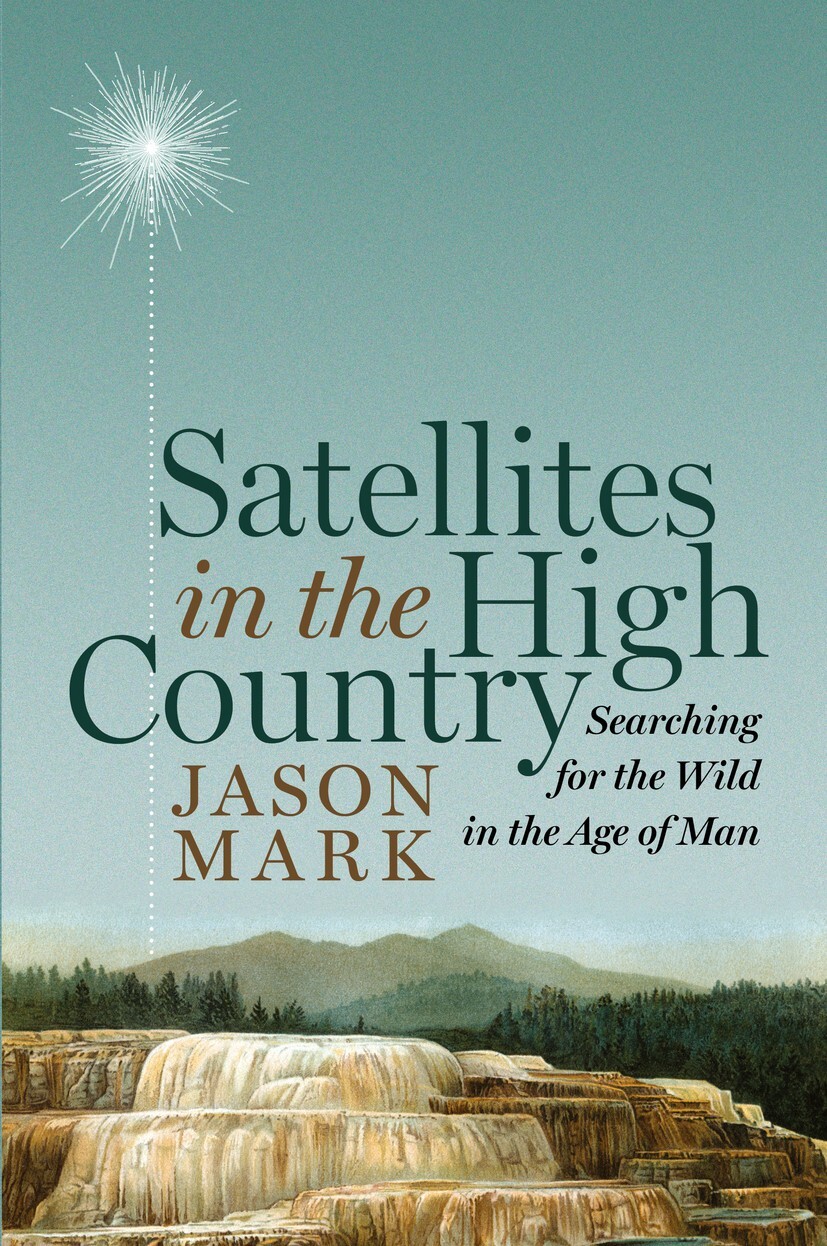
Satellites in the High Country

Searching for the Wild in the Age of Man

Is there any thing or any place left on Earth that remains really, truly wild? In this Human Age it's easy to believe that wildness is extinct. Civilization's fingerprints are everywhere—from plastic trash on the shores of the Arctic Ocean, to the effects of global climate change on the most remote landscapes, to the wildlife that we carefully monitor and control.

And yet, if you know where to look, you'll find that much remains that is untamed. Even today, wildness can remain a touchstone for our relationship with the rest of nature.

In Satellites in the High Country, I travel beyond the bright lights and certainties of our cities to seek wildness wherever it survives. In New Mexico's Gila wilderness, I tracked some of the 109 Mexican gray wolves that may be some of the most monitored wildlife on the planet. In Washington's Cascade Mountains, I joined a modern-day wild woman and her students to learn to tan hides and start fires without matches, attempting to connect with a primal past out of reach for the rest of civilization.

These expeditions and others show that, although our notions of pristine nature may be shattering, the mystery of the wild still exists—and in fact, it is more crucial than ever.

Reviews

“One of the plea­sures of Satel­lites in the High Coun­try is that Mr. Mark does not fol­low the usu­al nature writer’s path and just throw the word ​‘wild’ out there, wav­ing it like a flag, before car­ry­ing on with his own hap­py tramps into the wilder­ness. His approach to decod­ing the word is com­pre­hen­sive
 The ideas are the best part
 trips are well-described and linked clear­ly to the book’s intel­lec­tu­al lessons.”
— Wall Street Journal
“In his new book, Mark takes us on a jour­ney across Amer­i­ca in search of wilder­ness, from a reser­va­tion in South Dako­ta where the rein­tro­duc­tion of bison has divid­ed the com­mu­ni­ty to a cave in Wash­ing­ton state where a British cave­woman is repli­cat­ing life in the Pale­olith­ic more than two mil­lion years ago. Along the way, he explores the mean­ing of wilder­ness and the urgent need to con­serve what remains of it.”
— Nation­al Geographic
“Mark’s adven­tures take him from pop­u­lar nation­al parks, such as Yosemite and the Bad­lands, to remot­er places, such as Alaska’s Brooks Range and New Mex­i­co’s Gila Wilder­ness, in search of areas less hos­pitable to tourists and roman­tic notions about pris­tine, ​‘muse­um-like’ vis­tas and cal­en­dar-ready wildlife. Mark presents a fresh, first-rate piece of nature writ­ing and a stir­ring man­i­festo call­ing for the pro­tec­tion and cel­e­bra­tion of the true spir­it of wild places.”
— Book­list
“This is true adven­ture; Mark writes elo­quent­ly about our need for nature and our respon­si­bil­i­ty to pre­serve it.”
— Con­tra Cos­ta Times / San Jose Mer­cury News
“Mark carves out a fine dis­tinc­tion between inad­ver­tent influ­ence caused by fac­tors like cli­mate change and inten­tion­al con­trol. He offers a heart­felt ode to the con­tin­ued impor­tance of non­in­ter­ven­tion in wilder­ness areas, even if doing so leads to unrec­og­niz­ably changed landscapes.”
— High Coun­try News
“Through it all, [Mark] does a nice job of bal­anc­ing his­tor­i­cal fact and sociopo­lit­i­cal com­men­tary with poet­ic pas­sages that cel­e­brate the breath­tak­ing beau­ty of the nat­ur­al world.”
— KQED Arts
“Fas­ci­nat­ing.”
— Moth­er Jones